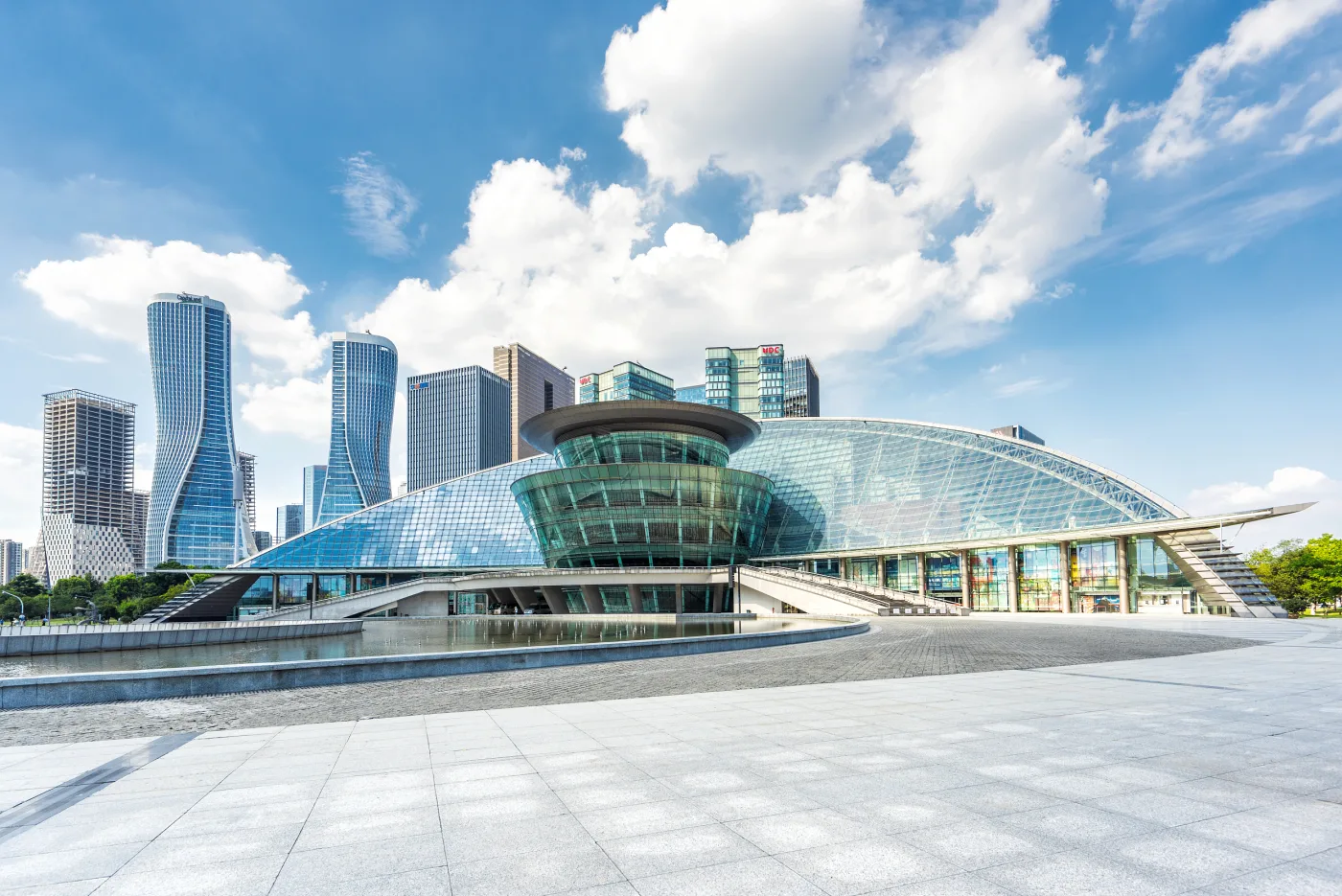
Jade, Tea & Water: Jiangnan Heritage — Hangzhou cultural precinct reference. Exact routing and lodging require written confirmation.
A planning guide
Liangzhu culture connects people across time and borders: Cultural Context, Geography, and Verified Route Signals
Travel interest in Hangzhou → Suzhou rarely emerges in a vacuum. International awards, UNESCO heritage milestones, regional infrastructure upgrades, and cross-provincial tourism reports continuously reshape how overseas
Updated
1. Primary Source Anchor & Verified Facts
Our route research began with the documented report: "Liangzhu culture connects people across time and borders" (Hangzhou municipal / Zhejiang provincial portal; UNESCO heritage record). Key verified facts extracted from the source dossier include:
The fourth Liangzhu Forum ran October 18–20, 2026; the event has ended. • October reporting links international visitors with the archaeological park and museum. • UNESCO lists Archaeological Ruins of Liangzhu City; the news hook is the 2026 forum/discovery anniversary, not a new 2026 inscription.
By grounding itinerary design in primary-source reporting rather than unverified aggregator blogs, we ensure that museum openings, heritage preservation zones, and regional transport links reflect actual operating conditions. You can inspect the full route structure on our main itinerary page.
2. Geographic & Historical Layers Along Hangzhou → Suzhou
Understanding the geography of Hangzhou → Suzhou helps explain why pacing matters as much as monument selection. Across China's historic river basins, mountain valleys, and modern rail corridors, distance on a map rarely equates to travel time:
1. Topography & Settlement Patterns: Historic towns, archaeological parks, and tea or wine estates developed around river bends, canal networks, and sheltered valley microclimates. Reaching them comfortably requires matching rail trunk lines with local private vehicles. 2. Living Heritage vs. Staged Attractions: The strongest cultural moments happen when travellers step outside peak midday tour-bus windows—visiting workshops, neighbourhood markets, tea terraces, or architectural precincts early in the morning or after dusk. 3. Culinary & Regional Continuity: Each stop along Hangzhou → Suzhou carries distinct ingredient traditions, fermentation techniques, and tea or dining rituals that reflect local climate and trade history. 4. Conservation & Infrastructure Realities: Recent high-speed rail expansions and heritage-zone pedestrianization have shortened inter-city trunk travel while simultaneously increasing the value of advance timed-entry permits and private last-mile transfers.
3. Turning News Signals Into Grounded Field Experiences
A theme of water management and cultural landscapes connects the stops, with no invented special access.
Specifically, we structure cultural immersion around three operational principles: • Specialist Local Context: Pairing museum and heritage-site visits with English-speaking docents or regional historians who can connect physical artifacts to broader Chinese and Silk Road history. • Controlled Group Footprint: Keeping party sizes private or small-group so narrow alleyways, courtyard lodges, and boutique dining rooms remain accessible without disrupting local communities. • Realistic Recovery Windows: Alternating dense historical walking days with scenic rail segments or quiet afternoon tea/lodge downtime.
For executive teams, academic delegations, or travel-trade partners coordinating multi-batch departures, our Executive, MICE & Travel Trade Desk (luxurytrain.net) provides structured operational scoping and formal risk-control checklists. Travellers building multi-region China itineraries can also cross-reference destination logistics via CTS China Destination & Planning Guides (cts.cn) or connect directly with our Curated Private Rail & Overland Routes portfolio.
4. What Travellers Should Verify Before Departure
Even when a destination receives international recognition, local capacity does not expand overnight. Heritage precincts, regional museums, and boutique dining rooms often cap daily admissions to protect site conservation and guest experience. Before committing to non-refundable international airfare, confirm: • Museum and archaeological site reservation windows (many national-level sites enforce passport-linked timed entry that closes several days in advance). • Language availability for specialist tastings, studio visits, or private curator briefings. • Seasonal weather impacts on mountain roads, river ferries, or outdoor heritage precincts, along with indoor backup options. • Payment readiness: international cards linked to mobile wallets or pre-arranged advisor-settled admissions so entrance gates never stall your schedule.
Verification Reminder: All pricing, private-train berth/cabin inventory, hotel allocations, and final seasonal timings are indicative planning references only and require written confirmation from a senior travel advisor (dongyi@cts.cn).
Frequently asked questions
How many days are recommended for Jade, Tea & Water: Jiangnan Heritage?
This verified planning baseline spans 5 days across Hangzhou, Suzhou, balancing inter-city transit buffers with unhurried site visits. Final pacing can be adjusted with dongyi@cts.cn.
What is the best season to plan Jade, Tea & Water: Jiangnan Heritage?
March–May or October–November; November 2026 possible subject reservations. Seasonal road, rail, and weather conditions should be re-verified with your advisor before locking departure dates.
How does Jade, Tea & Water: Jiangnan Heritage connect with luxury rail or private ground services?
Segments between major hubs integrate high-speed rail or private luxury train extensions (luxurytrain.net) with dedicated private ground transfers and curated stays coordinated via CTS (cts.cn), subject to written availability confirmation.
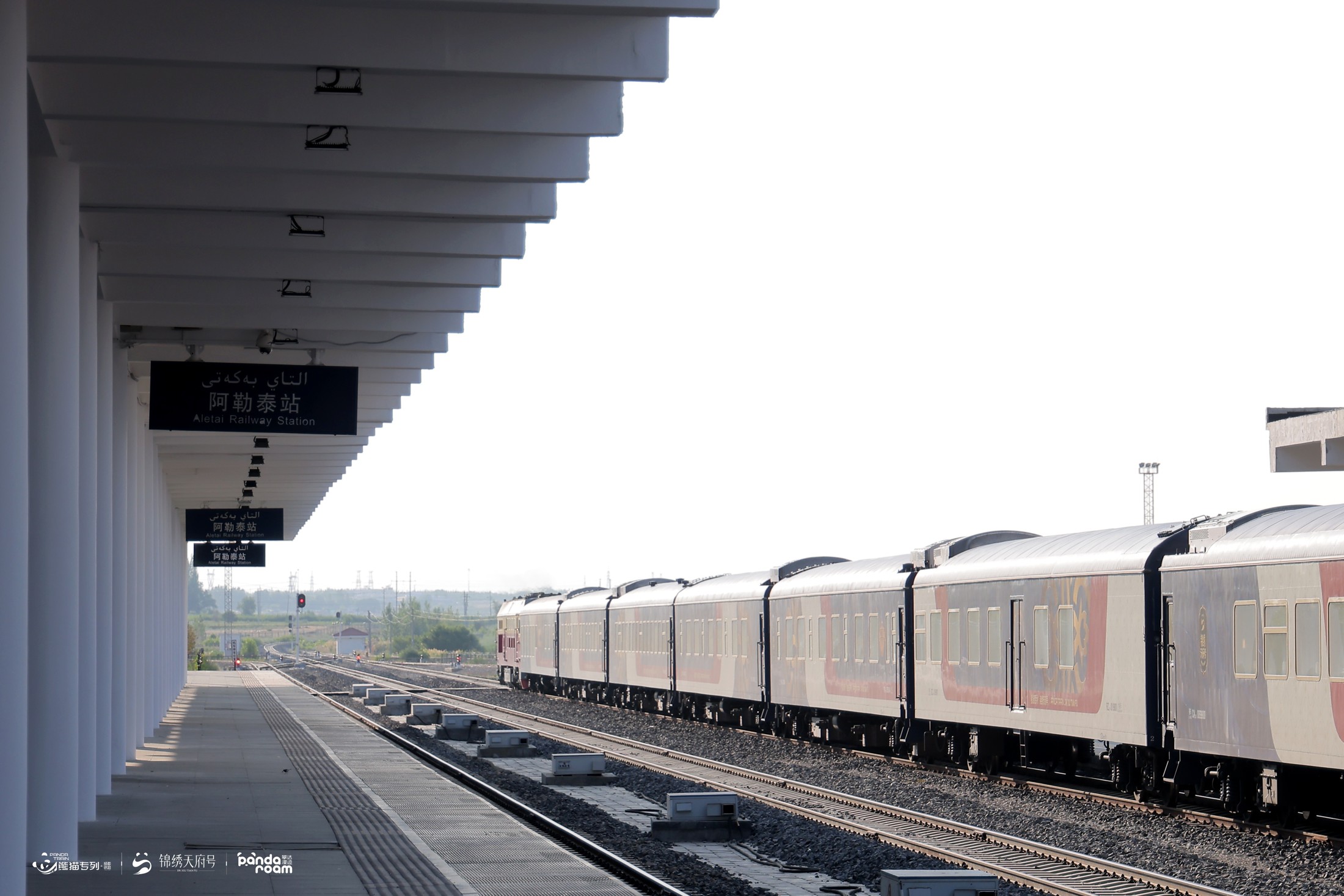
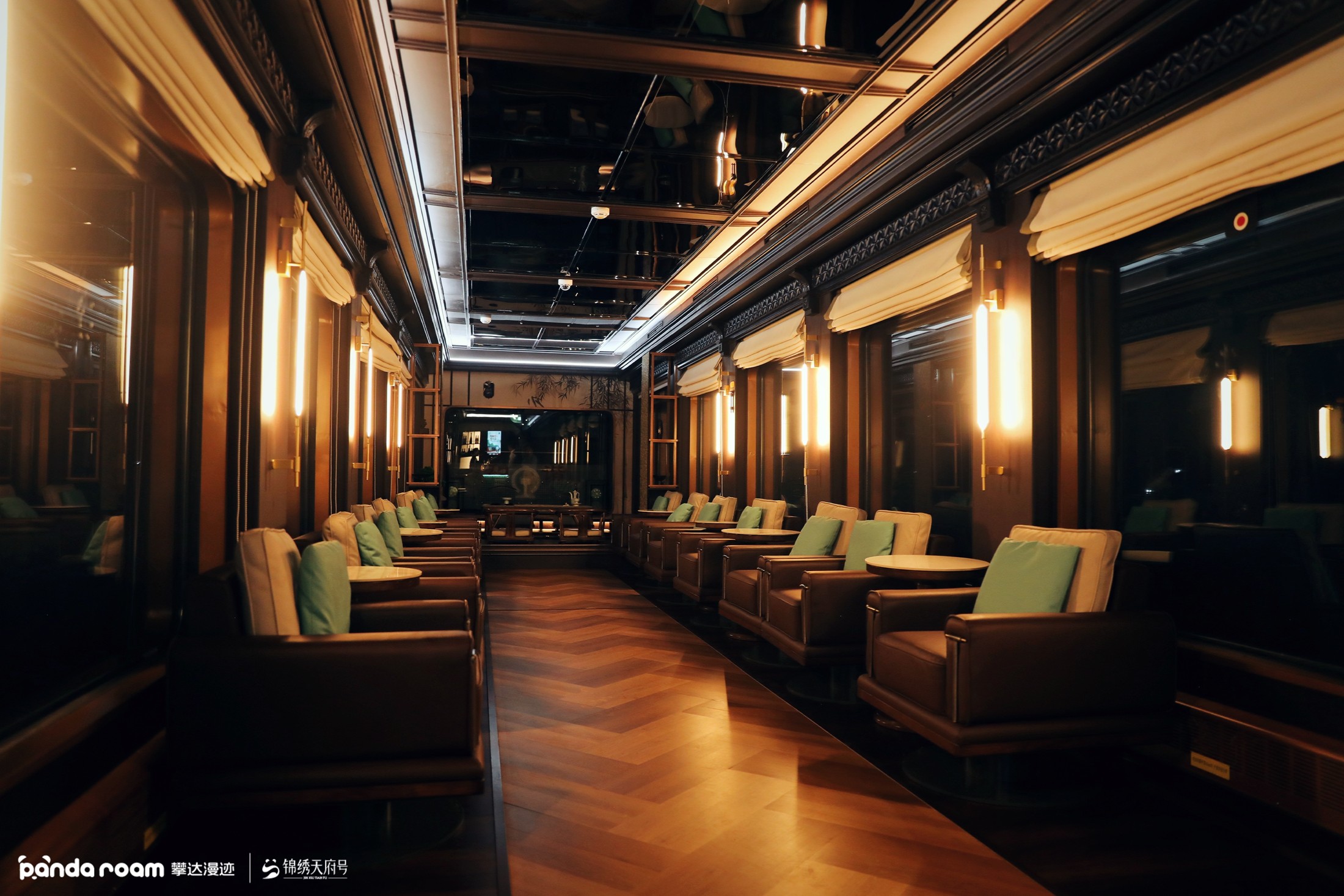
Explore Jinxiu Tianfu’s published nine-day 2027 Southwest Homecoming route from Chengdu via Xichang, Lijiang, Shangri-La, Baoshan and Tengchong. Review the dated per-seat fares, route details and confirmation notes.
9 days · Historical reference · CNY 39,880–49,880 per seat · not a current quote
Explore at your own pace1 / 2
Plan an individual journey
Check the details for your route.
Tell the CTS enquiry contact where you want to go and when. Ask for current departures, cabin availability and written terms for your preferred programme.